



Wabi Sabi Wall Art Horizontal: Grounding Your Wide Spaces
When I walk into a newly designed living room, the hardest thing to get right isn't the furniture—it's the empty space. That massive, sweeping stretch of drywall above a long sofa or a dining table can often feel overwhelming and cold.
This is exactly where the right canvas changes everything. We talk a lot about finding balance here in the studio. Fundamentally, Wabi-sabi is a Japanese philosophical and aesthetic concept that completely shifts how we view a room. Instead of striving for sterile, showroom perfection, Wabi Sabi wall art embraces imperfect beauty & organic simplicity.
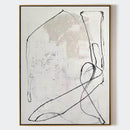
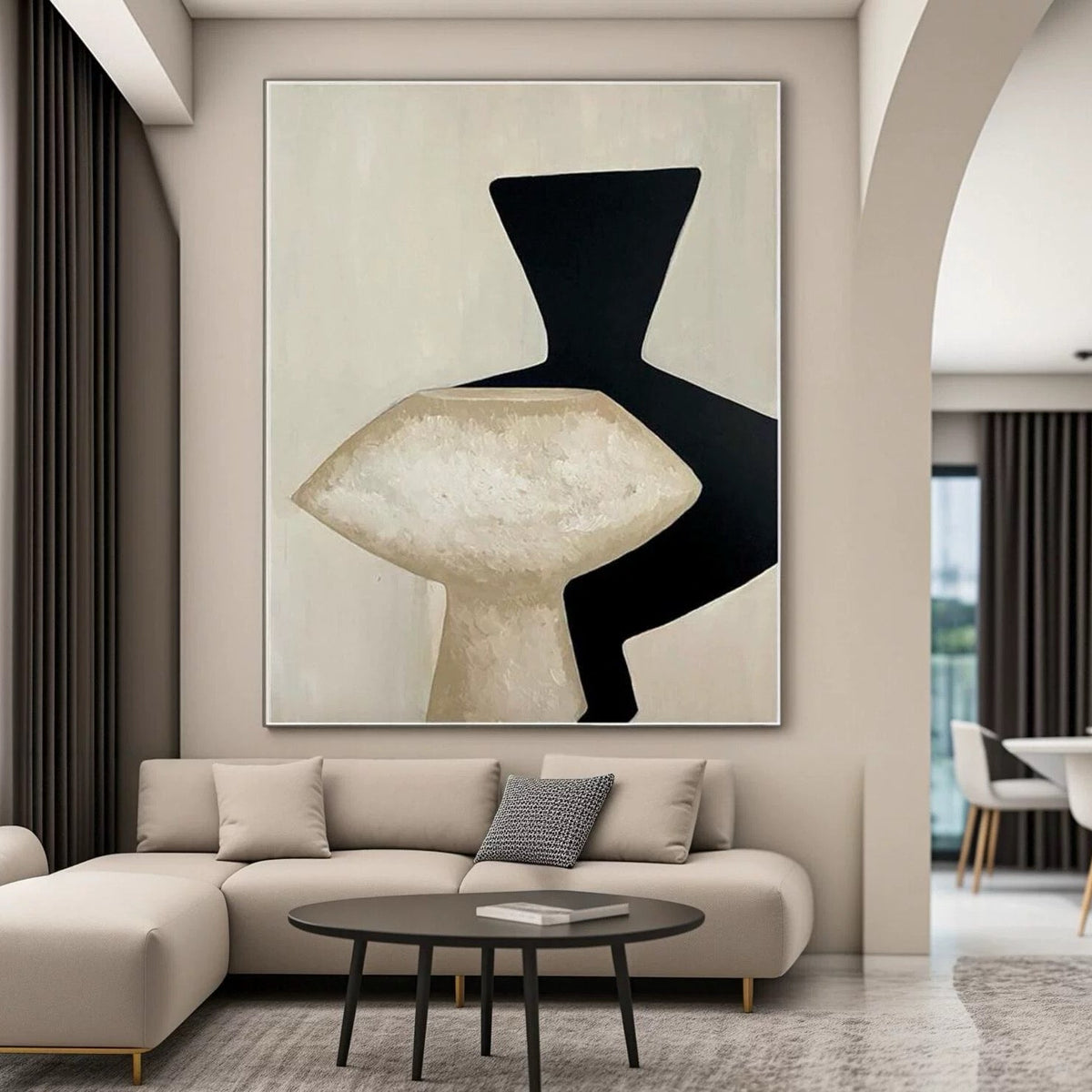
If you have a long, empty space, standard vertical canvases just float there, looking lost. But horizontal Wabi-sabi art is designed specifically for wide wall surfaces. The stretched orientation mimics the grounding line of the horizon, naturally drawing your eye across the room and making the space feel instantly calmer.

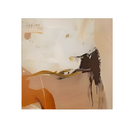
If you want to bring this feeling home, true wabi-sabi decor relies entirely on texture. We never use flat prints. When sourcing Wabi Sabi Wall Art, you need to look for raw, physical weight—the kind of palette knife ridges that actually cast subtle shadows when the morning light hits them.
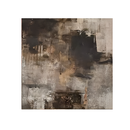
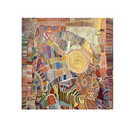
I was looking through our new Wabi Sabi wall art collection the other day, and there's one specific style that interior designers keep asking about. It's listed in our studio notes as the Wabi-Sabi brown geometric square hand-painted wall art with textured horizontal lines in. Earthy tones, raw edges, heavy impasto.
It’s a perfect example of how genuine, handmade Wabi Sabi abstract art can hold a room together. It doesn't shout. It just quietly anchors the space with its human touch.
When you are finally ready to choose Wabi-Sabi paintings for your walls, skip the mass-produced stuff. Find something with a pulse, something that brings a quiet, tactile luxury into your everyday life.