

Wabi-Sabi
Bring a quieter focal point to your home with wabi-sabi inspired wall art. Explore restrained palettes, organic marks and textured compositions that sit comfortably beside wood, linen and stone. Compare the work's color, dimensions and frame options to find a piece that feels at home on your wall.
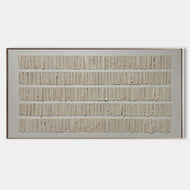

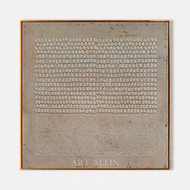
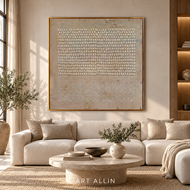


 Taupe Echo — Textured Wabi-Sabi Wall Art
Taupe Echo — Textured Wabi-Sabi Wall Art
Taupe Echo — Textured Wabi-Sabi Wall Art
Taupe Echo — Textured Wabi-Sabi Wall Art
Taupe Echo — Textured Wabi-Sabi Wall Art
Taupe Echo — Textured Wabi-Sabi Wall Art
Taupe Echo — Textured Wabi-Sabi Wall Art
Taupe Echo — Textured Wabi-Sabi Wall Art
Taupe Echo — Textured Wabi-Sabi Wall Art
Taupe Echo — Textured Wabi-Sabi Wall Art
Taupe Echo — Textured Wabi-Sabi Wall Art
Taupe Echo — Textured Wabi-Sabi Wall Art
Taupe Echo — Textured Wabi-Sabi Wall Art
Taupe Echo — Textured Wabi-Sabi Wall Art
Taupe Echo — Textured Wabi-Sabi Wall Art
Taupe Echo — Textured Wabi-Sabi Wall Art
Taupe Echo — Textured Wabi-Sabi Wall Art
Taupe Echo — Textured Wabi-Sabi Wall Art
Taupe Echo — Textured Wabi-Sabi Wall Art
Taupe Echo — Textured Wabi-Sabi Wall Art
Taupe Echo — Textured Wabi-Sabi Wall Art
Taupe Echo — Textured Wabi-Sabi Wall Art
Taupe Echo — Textured Wabi-Sabi Wall Art
Taupe Echo — Textured Wabi-Sabi Wall Art
Taupe Echo — Textured Wabi-Sabi Wall Art
Taupe Echo — Textured Wabi-Sabi Wall Art
Taupe Echo — Textured Wabi-Sabi Wall Art
Taupe Echo — Textured Wabi-Sabi Wall Art
Taupe Echo — Textured Wabi-Sabi Wall Art
Taupe Echo — Textured Wabi-Sabi Wall Art
Taupe Echo — Textured Wabi-Sabi Wall Art
Taupe Echo — Textured Wabi-Sabi Wall Art
Taupe Echo — Textured Wabi-Sabi Wall Art
Taupe Echo — Textured Wabi-Sabi Wall Art
Taupe Echo — Textured Wabi-Sabi Wall Art
Taupe Echo — Textured Wabi-Sabi Wall Art
Taupe Echo — Textured Wabi-Sabi Wall Art
Taupe Echo — Textured Wabi-Sabi Wall Art
Taupe Echo — Textured Wabi-Sabi Wall Art
Taupe Echo — Textured Wabi-Sabi Wall Art
Taupe Echo — Textured Wabi-Sabi Wall Art
Taupe Echo — Textured Wabi-Sabi Wall Art
Taupe Echo — Textured Wabi-Sabi Wall Art
Taupe Echo — Textured Wabi-Sabi Wall Art
Taupe Echo — Textured Wabi-Sabi Wall Art
Taupe Echo — Textured Wabi-Sabi Wall Art
Taupe Echo — Textured Wabi-Sabi Wall Art
Taupe Echo — Textured Wabi-Sabi Wall Art
Taupe Echo — Textured Wabi-Sabi Wall Art
Taupe Echo — Textured Wabi-Sabi Wall Art
Taupe Echo — Textured Wabi-Sabi Wall Art
Taupe Echo — Textured Wabi-Sabi Wall Art
Taupe Echo — Textured Wabi-Sabi Wall Art
Taupe Echo — Textured Wabi-Sabi Wall Art
Taupe Echo — Textured Wabi-Sabi Wall Art
Taupe Echo — Textured Wabi-Sabi Wall Art
Taupe Echo — Textured Wabi-Sabi Wall Art
Taupe Echo — Textured Wabi-Sabi Wall Art
Taupe Echo — Textured Wabi-Sabi Wall Art
Taupe Echo — Textured Wabi-Sabi Wall Art
Taupe Echo — Textured Wabi-Sabi Wall Art
Taupe Echo — Textured Wabi-Sabi Wall Art
Taupe Echo — Textured Wabi-Sabi Wall Art
Taupe Echo — Textured Wabi-Sabi Wall Art
Taupe Echo — Textured Wabi-Sabi Wall Art
Taupe Echo — Textured Wabi-Sabi Wall Art
Taupe Echo — Textured Wabi-Sabi Wall Art
Taupe Echo — Textured Wabi-Sabi Wall Art
Taupe Echo — Textured Wabi-Sabi Wall Art
 Warm Nocturne 03 — Textured Wabi-Sabi Wall Art
Warm Nocturne 03 — Textured Wabi-Sabi Wall Art
Warm Nocturne 03 — Textured Wabi-Sabi Wall Art
Warm Nocturne 03 — Textured Wabi-Sabi Wall Art
Warm Nocturne 03 — Textured Wabi-Sabi Wall Art
Warm Nocturne 03 — Textured Wabi-Sabi Wall Art
 Warm Nocturne 03 — Textured Wabi-Sabi Wall Art
Warm Nocturne 03 — Textured Wabi-Sabi Wall Art
Warm Nocturne 03 — Textured Wabi-Sabi Wall Art
Warm Nocturne 03 — Textured Wabi-Sabi Wall Art
Warm Nocturne 03 — Textured Wabi-Sabi Wall Art
Warm Nocturne 03 — Textured Wabi-Sabi Wall Art
 Warm Nocturne 03 — Textured Wabi-Sabi Wall Art
Warm Nocturne 03 — Textured Wabi-Sabi Wall Art
Warm Nocturne 03 — Textured Wabi-Sabi Wall Art
Warm Nocturne 03 — Textured Wabi-Sabi Wall Art
Warm Nocturne 03 — Textured Wabi-Sabi Wall Art
Warm Nocturne 03 — Textured Wabi-Sabi Wall Art
 Warm Nocturne 03 — Textured Wabi-Sabi Wall Art
Warm Nocturne 03 — Textured Wabi-Sabi Wall Art
Warm Nocturne 03 — Textured Wabi-Sabi Wall Art
Warm Nocturne 03 — Textured Wabi-Sabi Wall Art
Warm Nocturne 03 — Textured Wabi-Sabi Wall Art
Warm Nocturne 03 — Textured Wabi-Sabi Wall Art
 Warm Nocturne 03 — Textured Wabi-Sabi Wall Art
Warm Nocturne 03 — Textured Wabi-Sabi Wall Art
Warm Nocturne 03 — Textured Wabi-Sabi Wall Art
Warm Nocturne 03 — Textured Wabi-Sabi Wall Art
Warm Nocturne 03 — Textured Wabi-Sabi Wall Art
Warm Nocturne 03 — Textured Wabi-Sabi Wall Art
 Warm Nocturne 03 — Textured Wabi-Sabi Wall Art
Warm Nocturne 03 — Textured Wabi-Sabi Wall Art
Warm Nocturne 03 — Textured Wabi-Sabi Wall Art
Warm Nocturne 03 — Textured Wabi-Sabi Wall Art
Warm Nocturne 03 — Textured Wabi-Sabi Wall Art
Warm Nocturne 03 — Textured Wabi-Sabi Wall Art
Warm Nocturne 03 — Textured Wabi-Sabi Wall Art
Warm Nocturne 03 — Textured Wabi-Sabi Wall Art
Warm Nocturne 03 — Textured Wabi-Sabi Wall Art
Warm Nocturne 03 — Textured Wabi-Sabi Wall Art
Warm Nocturne 03 — Textured Wabi-Sabi Wall Art
Warm Nocturne 03 — Textured Wabi-Sabi Wall Art
Warm Nocturne 03 — Textured Wabi-Sabi Wall Art
Warm Nocturne 03 — Textured Wabi-Sabi Wall Art
Warm Nocturne 03 — Textured Wabi-Sabi Wall Art
Warm Nocturne 03 — Textured Wabi-Sabi Wall Art
Warm Nocturne 03 — Textured Wabi-Sabi Wall Art
Warm Nocturne 03 — Textured Wabi-Sabi Wall Art
Warm Nocturne 03 — Textured Wabi-Sabi Wall Art
Warm Nocturne 03 — Textured Wabi-Sabi Wall Art
Warm Nocturne 03 — Textured Wabi-Sabi Wall Art
Warm Nocturne 03 — Textured Wabi-Sabi Wall Art
Warm Nocturne 03 — Textured Wabi-Sabi Wall Art
Warm Nocturne 03 — Textured Wabi-Sabi Wall Art
Warm Nocturne 03 — Textured Wabi-Sabi Wall Art
Warm Nocturne 03 — Textured Wabi-Sabi Wall Art
Warm Nocturne 03 — Textured Wabi-Sabi Wall Art
Warm Nocturne 03 — Textured Wabi-Sabi Wall Art
Warm Nocturne 03 — Textured Wabi-Sabi Wall Art
Warm Nocturne 03 — Textured Wabi-Sabi Wall Art
Warm Nocturne 03 — Textured Wabi-Sabi Wall Art
Warm Nocturne 03 — Textured Wabi-Sabi Wall Art
Warm Nocturne 03 — Textured Wabi-Sabi Wall Art
Warm Nocturne 03 — Textured Wabi-Sabi Wall Art
Warm Nocturne 03 — Textured Wabi-Sabi Wall Art
Warm Nocturne 03 — Textured Wabi-Sabi Wall Art
Warm Nocturne 03 — Textured Wabi-Sabi Wall Art
Warm Nocturne 03 — Textured Wabi-Sabi Wall Art
Warm Nocturne 03 — Textured Wabi-Sabi Wall Art
Warm Nocturne 03 — Textured Wabi-Sabi Wall Art
Warm Nocturne 03 — Textured Wabi-Sabi Wall Art
Warm Nocturne 03 — Textured Wabi-Sabi Wall Art
Warm Nocturne 03 — Textured Wabi-Sabi Wall Art
Warm Nocturne 03 — Textured Wabi-Sabi Wall Art
Warm Nocturne 03 — Textured Wabi-Sabi Wall Art
Warm Nocturne 03 — Textured Wabi-Sabi Wall Art
Warm Nocturne 03 — Textured Wabi-Sabi Wall Art
Warm Nocturne 03 — Textured Wabi-Sabi Wall Art
Warm Nocturne 03 — Textured Wabi-Sabi Wall Art
Warm Nocturne 03 — Textured Wabi-Sabi Wall Art
Warm Nocturne 03 — Textured Wabi-Sabi Wall Art
Warm Nocturne 03 — Textured Wabi-Sabi Wall Art
Warm Nocturne 03 — Textured Wabi-Sabi Wall Art
Warm Nocturne 03 — Textured Wabi-Sabi Wall Art
Warm Nocturne 03 — Textured Wabi-Sabi Wall Art
Warm Nocturne 03 — Textured Wabi-Sabi Wall Art
Warm Nocturne 03 — Textured Wabi-Sabi Wall Art
Warm Nocturne 03 — Textured Wabi-Sabi Wall Art
Warm Nocturne 03 — Textured Wabi-Sabi Wall Art
Warm Nocturne 03 — Textured Wabi-Sabi Wall Art
Warm Nocturne 03 — Textured Wabi-Sabi Wall Art
Warm Nocturne 03 — Textured Wabi-Sabi Wall Art


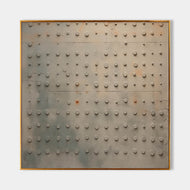


Wabi-sabi selection guide & common questions
Choosing wabi-sabi art for your space
Start with the mood of the room. An open composition can give a bedroom a softer focal point; stronger dark marks can bring definition to a living room. Keep nearby accessories simple so the painting has space to be seen.
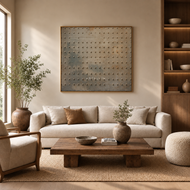
Compare three details before ordering: the artwork's undertone in your lighting, its dimensions against the wall, and the framing option you have selected. Use texture close-ups to assess the surface and room visualizations to explore styling ideas.
What makes wall art wabi-sabi inspired?
Wabi-sabi inspired art draws attention to irregular forms, quiet color and the character of a surface. Look for a balance of open space and expressive marks rather than perfectly repeated shapes. The term describes an aesthetic influence; it does not establish where a painting was made.
How is wabi-sabi different from minimalist art?
Minimalist art reduces the composition to a small number of elements. Wabi-sabi inspired work can also be simple, but often places more emphasis on uneven edges, organic marks and weathered-looking surfaces. Compare the individual compositions rather than relying on the category name alone.
Which colors work with a neutral living room?
Compare the painting's undertone with your sofa, wall and flooring. Cream and sand can sit comfortably with warm wood and linen; gray or charcoal can add definition to a paler room. A small shared accent is usually enough—you do not need every furnishing to match.
What size should I choose above a sofa or bed?
Measure the furniture width and the clear wall area, then mark the proposed artwork outline with removable tape. Check the full framed dimensions where available and leave breathing room at both sides. For a set, include the space between panels in the total width.
Should I choose a horizontal, vertical or square painting?
A horizontal composition can relate to a sofa or low sideboard. A vertical composition can suit a narrow wall, while a square work can anchor a more balanced area. Start with the actual wall dimensions; room images are styling references rather than measurements.
Which frame finish suits wabi-sabi art?
Compare the frame finishes available for the specific artwork with the wood and metal already in your room. A natural-looking wood finish can reinforce warmth, while a slim black frame can add definition. Check the selected option to confirm whether a frame is included.
Is textured wall art always made with oil paint or plaster?
No. A visual style does not establish the materials. Read the individual artwork's medium and surface description and examine available close-ups. Contact us before ordering if a particular material or depth of texture is essential to your choice.
Will a hand-painted artwork look exactly like the room image?
Hand-painted brushwork and surface details can vary. Images marked as room visualizations are digitally generated styling examples, not customer photographs or exact scale references. Use the artwork images, listed dimensions and selected framing option to make your decision.
For help choosing between works, contact ARTALLIN with your wall measurements and the artwork names.